How Intelligent Design Is Reshaping the Eyeliner Tube: A Comparative Insight
The Moment Your Line Goes Off-Track
Ever notice how the perfect wing fails right before a big meeting? The eyeliner tube is in your hand, the mirror is close, and then the line skips. A recent retail analysis showed packaging issues drive a surprising share of returns in color cosmetics. Smudges, dry-outs, and messy tips are not just user errors; they are system errors. And they cost time, product, and trust—funny how that works, right? Now picture a morning rush, a crowded train, and a shaky hand. You need a steady flow, a neat wiper, and a cap that seals. No drama. But many tubes don’t deliver under real-world pressure. Why? Small parts, big stakes, and a lot of moving variables. If tech can stabilize cars and phones, why not a cleaner, smarter line on the lid? That’s the question that sets the stage (and yes, it matters). Let’s examine where the design actually breaks, and how to fix it—fast.
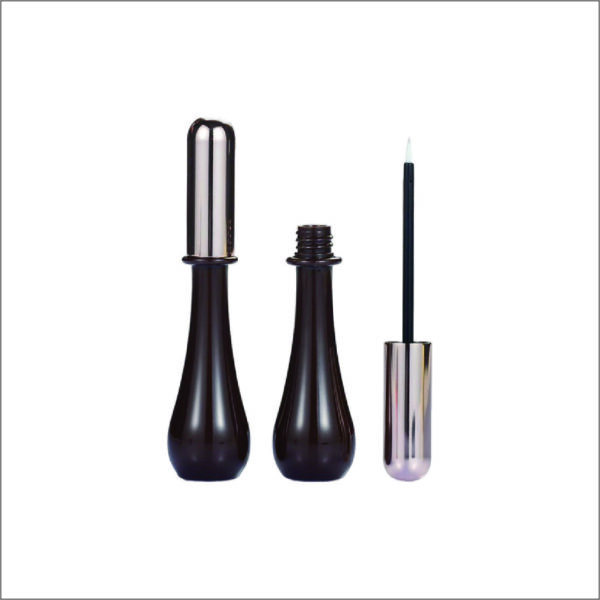
Inside the Friction: What Holds Back a Smooth Line
Why do old designs fail?
Here’s the technical truth. A liquid eyeliner tub lives or dies by flow control. When viscosity drifts, capillary action stutters. The wiper orifice squeezes too hard or not enough. Tiny tolerance stack-ups in injection-molded parts add drag. Air sneaks in, solvents evaporate, and the first stroke gets streaky. Look, it’s simpler than you think: fluid physics meets micro-geometry. If the elastomer seal is weak, oxygen ingress dries the tip. If the applicator is too soft, it flares on the lid. If it’s too hard, it scratches. One misfit part, and the line fails. Users blame their hands. The real issue is design intent versus on-the-go reality.
Traditional fixes push one lever at a time. Thicken the formula to slow flow, and glide suffers. Tighten the wiper, and the tip frays over weeks, especially on a flocked applicator. Add more solvent, and dry time grows. Put in a stiffer spring, and cap stress rises. Each “solution” moves pain, it doesn’t remove it. Quality control catches defects, not design gaps. The result is a daily battle with the tube. It is tiring. It is avoidable. And it is exactly where better engineering should start.
From Pain Points to Possibilities: New Rules for the Tube
What’s Next
The next wave stops fighting physics and starts using it. New wiper geometries shape flow without squeezing it to death. Low-friction polymers cut shear on the tip. Micro-venting channels balance pressure so the first stroke equals the fifth. Precision molds reduce tolerance drift. Add a cap with a dual-stage, airtight seal, and overnight dry-outs drop sharply. Even an empty eyeliner tube can be tuned for stability—before any fill goes in. Compare old to new, and you see it: no blobs, fewer skips, steadier lines. Materials matter too. PP bodies with improved barrier layers hold solvents better. UV-cured lacquers resist scuffs. And controlled capillary paths keep flow consistent across wear. That shift is quiet—but huge. Users feel it in one swipe.
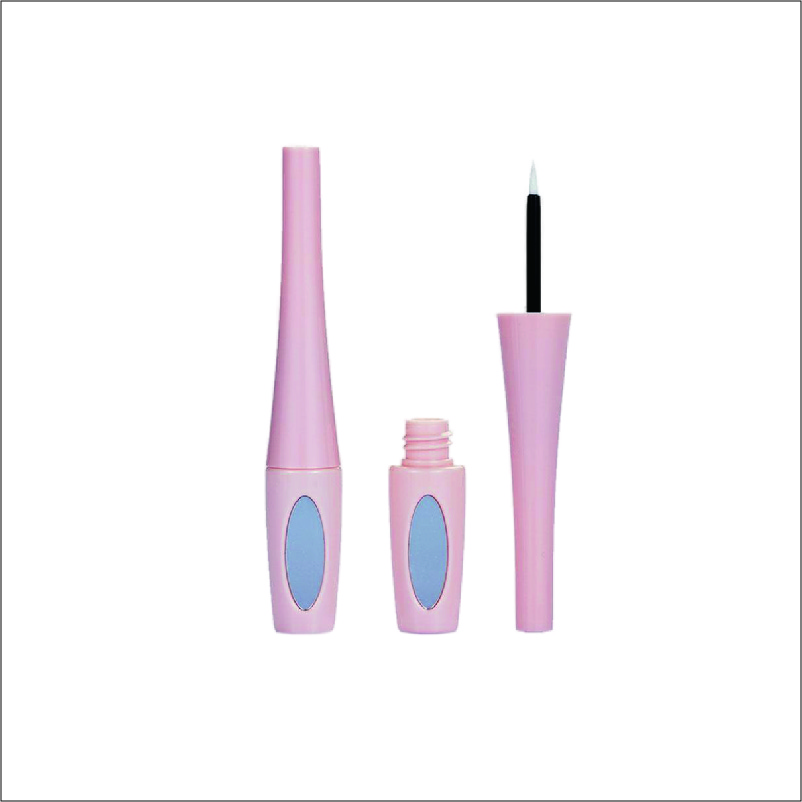
So what should teams track as they upgrade? First, tie design to measurable signals. Summing up the key insights: the problem was not the hand, it was the system; the fix is not one part, it is the stack. To choose better tubes, use three metrics. 1) Seal integrity after thermal cycling and drop tests, measured by weight-loss and leak rate. 2) Flow consistency across a defined viscosity window, verified with stroke-width variance. 3) Tip wear rate over 500+ cycles, including wiper degradation and flock retention. These checks expose weak links early (and save rework later). Keep it semi-formal, keep it real, and keep users in mind. For teams that want deeper benchmarks and material data without the sales pitch, research from NAVI Packaging is a solid place to start.